In today’s hyper-competitive, hyper-personalized marketplace, brands are no longer just products or services. They are relationships. And just like any relationship, the nature of connection varies by who you are.
Two critical but often overlooked variables in brand strategy are age and gender. These aren’t just demographic checkboxes — they are psychological anchors that dictate how individuals perceive, trust, and engage with brands.
Let’s break it down.
👵 Age: The Generational Brand Lens
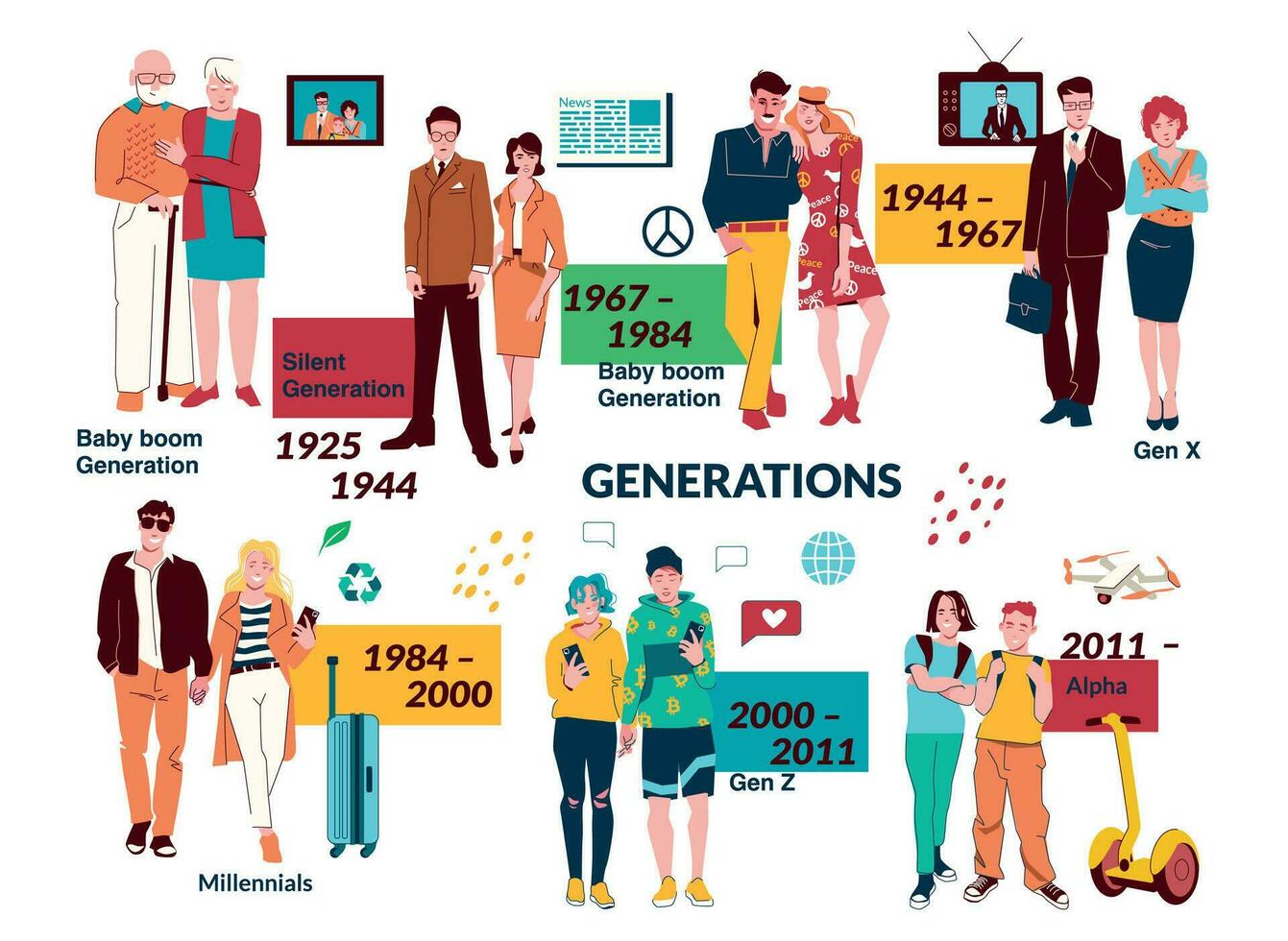
Each generation has grown up in a radically different world — and those worldviews shape how they view brands. We accept or not the conditioning and experiences that we face in our growing up years deeply influence the way we perceive and all look at all options.
🧒 Gen Z (Ages 10–27): The Conscious Curators
- Relationship Style: Exploratory and ephemeral. Gen Z treats brands like digital avatars — if the brand doesn’t reflect their values, it’s ghosted.
- Loyalty Drivers: Sustainability, inclusivity, social proof.
- Brand Example: Glossier, which grew by creating beauty around identity, not perfection.
Tip: Gen Z doesn’t buy the product. They buy the belief behind the brand.
🧑 Millennials (Ages 28–43): The Experience-Driven Evaluators
- Relationship Style: Emotionally invested, if value is proven.
- Loyalty Drivers: Authenticity, convenience, tech integration.
- Brand Example: Airbnb built a millennial cult by offering stories, not rooms.
Tip: Millennials ask, “How does this brand make my life better and my Instagram feed cooler?”
🧔 Gen X (Ages 44–59): The Practical Powerhouses
- Relationship Style: Stable and selective.
- Loyalty Drivers: Reliability, quality, service.
- Brand Example: Apple speaks their language by blending performance with trust.
Tip: Don’t oversell. Gen X sees through gimmicks. Speak value.
👵 Boomers (Ages 60+): The Legacy Loyalists
- Relationship Style: Long-term, nostalgic.
- Loyalty Drivers: Familiarity, respect, simplicity.
- Brand Example: Johnson & Johnson taps into decades of emotional memory.
Tip: Boomers value consistency. Changing a brand tone suddenly can erode decades of trust.
🚺 Gender: Not Just Male or Female, But Brand Personalities
Gender doesn’t just affect what people buy — it influences how they build trust and loyalty.
👩 Women: Community-Driven Connectors
- Brand Relationship Style: Emotional, holistic.
- Triggers: Storytelling, empathy, shared values.
- Engagement: Higher interaction rates on social; they research before committing.
- What Works: Brands like Dove and Tata Tea win with campaigns that mirror real struggles and triumphs.
“If your brand doesn’t feel seen, it won’t be shared — especially by women.”
👨 Men: Goal-Oriented Evaluators
- Brand Relationship Style: Functional, performance-based.
- Triggers: Results, status, proof points.
- Engagement: Lower in research, higher in action.
- What Works: Nike thrives by attaching identity to ambition.
“Men often look for brands that make them look better or do better — not just feel better.”
🏳️🌈 Beyond Binary: The Rise of Inclusive Branding
As gender identity becomes more fluid, smart brands are rethinking packaging, messaging, and tone.
- Fenty Beauty and Thinx are leading the way by designing with, not just for their audiences.
💡 So, Why Does This Matter?
Because when your brand strategy doesn’t account for age and gender nuance, you’re shouting into the void.
Also keep in mind these aren’t generalised across geographies.. The prirorites changes according to the locations where they spend their growing years and also where they have been since then..
Let’s say you’re launching a fintech app. If you’re targeting Gen Z women:
- Use inclusive visuals.
- Partner with micro-influencers they trust.
- Infuse your tone with transparency and values.
But if you’re launching the same app for Gen X men:
- Talk about control, ROI, security.
- Simplify the interface.
- Avoid fluff. Focus on facts.
Same product. Entirely different relationships.
🎯 Final Thoughts: Brand Strategy Is Human Strategy
Brands win today not because they have the best tagline — but because they behave like the best partner.
Understand who your audience is — not just what they look like, but what they value, what they fear, what they desire.
Age and gender shape these inner landscapes. Map them.
When you do, you’re not just building a brand.
You’re building trust.
And that, Rejo’s Business Bytes will keep reminding you, is the most valuable currency in business.