
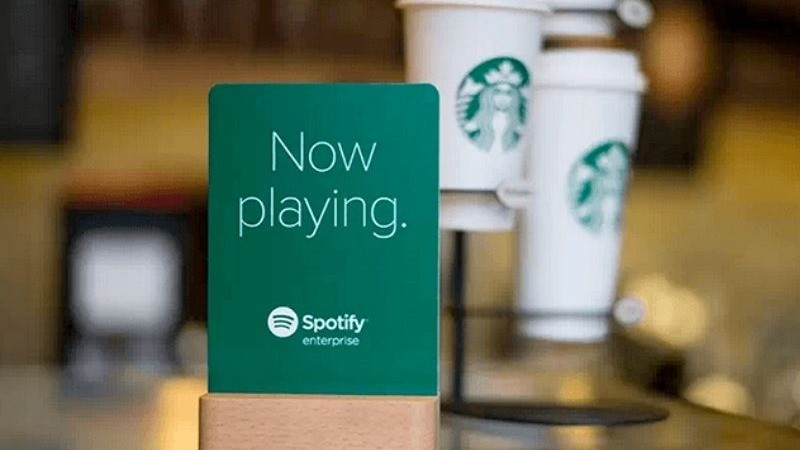
In today’s hyper-competitive market, brand collaborations are no longer a luxury—they’re a growth strategy.
Whether it’s for entering new markets, sharing customer bases, or creating a viral moment, co-branding—the strategic alliance of two or more brands—can generate enormous value.
But here’s the truth: ✨ When done right, co-branding can skyrocket awareness and revenue. 💥 When done wrong, it can damage both brands irreparably.
So what makes or breaks a co-branding effort?
Let’s dive into two iconic case studies—one a roaring success, the other a cautionary tale.
✅ SUCCESS STORY: Nike x Apple – The Perfect Fusion of Fitness & Tech
Back in 2006, Nike and Apple partnered to launch the Nike+iPod Sports Kit—a wireless system that allowed runners to track performance via Apple’s iPod.
Why It Worked:
- Shared Vision: Both brands spoke to active, aspirational consumers—Apple in tech, Nike in lifestyle.
- Complementary Strengths: Apple brought sleek, user-friendly tech. Nike added deep fitness insights and brand loyalty.
- Mutual Value Creation: Apple users had a reason to buy Nike shoes. Nike athletes got more from their runs through Apple’s data interface.
- Culture Fit: Both brands shared an identity rooted in innovation, design, and personal performance.
The Result? Nike+iPod became a cult product. It laid the foundation for the Apple Watch. And it positioned both companies at the intersection of health, lifestyle, and tech—a market worth $300+ billion today.
This is what powerful co-branding looks like:
Shared value. Deep integration. Clear customer benefit.
❌ FAILURE STORY: Hershey’s x Heinz – Chocolate-Flavored Ketchup (Yes, Really)
In 2003, Heinz and Hershey’s—two beloved American brands—joined forces to launch a product no one asked for: Chocolate-flavored ketchup.
Why It Failed:
- Brand Mismatch: Heinz = savory, tangy condiments. Hershey’s = sweet, indulgent chocolate. The overlap? Almost zero.
- Consumer Confusion: People were unsure whether to put it on burgers or ice cream. Neither worked.
- No Clear Need: The product didn’t solve a problem. It didn’t elevate an experience. It just existed.
- Weak Storytelling: There was no narrative, no emotional connection. Just a bizarre experiment.
The Result? Retailers pulled it off shelves in weeks. Customers were baffled. And both brands walked away quietly, never mentioning it again.
This is what failed co-branding teaches us:
Just because two brands are strong individually doesn’t mean they belong together.
💡 The Co-Branding Blueprint: 5 Rules to Win
Here’s what you can steal from these examples:
- ✅ Find a Shared Purpose Ask: Do both brands solve for the same customer mindset or lifestyle?
- 🔄 Complement Each Other’s Strengths Avoid overlaps. Apple needed health insights; Nike needed tech. That’s synergy.
- 🤝 Align Values & Cultures Cultural misalignment can turn a promising partnership into a PR disaster.
- 🧪 Prototype & Test Small Start with limited runs. Measure customer sentiment fast.
- 🎯 Tell a Unified Story The product is half the battle. The narrative is what creates buzz.
💬 Co-Branding Is a High-Stakes Game
You’re not just merging logos. You’re blending reputations, promises, and customer expectations.
Done right, it’s a brand rocketship. Done wrong, it’s a meme.
If you’re thinking of launching a co-branded product, ask yourself:
“Is this collaboration going to create more value for the customer—or just for the press release?”
🔔 Want weekly insights like this on brand strategy, innovation, and customer obsession?
Follow Rejo’s Business Bytes – Subscribe via rejofrancis.com or follow this page right now for actionable strategies every week.
💥 Let’s co-brand ideas, not just products.
Drop a comment with your favourite brand collab—or the weirdest one you’ve seen!
#BrandStrategy #Marketing #BusinessGrowth #RejosBusinessBytes #LinkedInTopVoices #Apple #Nike #BrandFails #Innovation